

Impact-Site-Verification: 5e7ae78f-1966-47cd-af4f-eaefa912ac18
Playing Piano
Benefits of Reading
There is a reason the adage goes, “A reader lives a thousand lives before they die.” Reading is not merely a pastime—it nurtures the mind, cultivates empathy, and sharpens cognitive ability in ways that nothing else quite matches. In our increasingly frenetic world, immersing oneself in a book offers a rare sanctuary—a place to pause and reflect, to encounter ideas, emotions and viewpoints beyond our own.
On a psychological level, reading—particularly fiction—helps build empathy. As we identify with characters, we step into their shoes, experiencing their triumphs and failures, internalising their emotions. This emotional simulation enriches our understanding of others in real life. Cognitive benefits run deep too: reading expands vocabulary, reinforces grammar silently yet effectively, and boosts comprehension. It also supports sustained attention; while screens encourage rapid, surface-level skimming, the printed word demands presence, encouraging deeper thought and retention.
Moreover, habitual reading is associated with reduced cognitive decline in later life. The mental stimulation of processing narratives, remembering details, and mentally visualising scenes keeps neural pathways active and agile. As a low-intensity workout for the brain, it parallels physical exercise for our mental agility.
Reading also offers tangible health benefits. A study from the University of Sussex showed that reading for just six minutes can reduce stress by 68%—more effective than listening to music or taking a walk. At day's end, settling down with a good book becomes a ritual of calm, helping our minds unwind and signalling to our bodies that it’s time to rest.
And yet, the rewards extend into creativity and knowledge. Non-fiction ignites curiosity and insight, feeding professional growth and personal enrichment. Fiction, by contrast, nourishes imagination and storytelling ability, whether you’re a writer, parent, teacher, or simply a curious individual. The breadth of choices—from memoir to sci-fi, satire to self-help—means there's always something tailored to your mood, purpose, or challenge.
In sum, reading is a uniquely holistic activity—intellectually enriching, emotionally grounding, cognitively preserving and creatively inspiring. Cultivating a reading habit is one of the most rewarding investments you can make—for your mind, your mood and your imagination.
Read or Listen? Comparing Printed Books and Audiobooks
When it comes to experiencing stories, there is no single “best” medium—printed books and audiobooks each come with distinct strengths. Understanding what each offers helps you choose the right format for your context and purpose.
Printed books—whether traditional paperbacks, hardbacks or high-resolution e‑ink readers—offer tactile engagement. You control the pace: you can re-read passages, make notes in the margins, flip to footnotes or backtrack to check details. The sensory experience—the texture of pages, the weight in your hands, even the smell of print—adds to the emotional connection. Many readers find physical books more immersive and easier to recall later, enhancing retention through both visual and kinesthetic memory.
In contrast, audiobooks excel in convenience. You can listen while commuting, cooking, walking or doing chores, transforming otherwise idle moments into immersive experience. For those with visual impairment or dyslexia, audiobooks offer inclusive accessibility. A skilled narrator can elevate the text—inflecting characters’ voices, pacing suspense, layering atmospheres in ways the page alone may not.
Yet, audiobooks often rely on continuous attention. Multitasking too heavily—especially while reading complex or dense material—can lead to missed nuances. On the other hand, lighter novels or memoirs may benefit from the performative quality of narration, turning storytelling into theatre.
Many readers adopt a hybrid approach—listening to a novel during a long commute or household task, then switching to the printed version when winding down at home. This allows you to save time without sacrificing depth.
Another point to weigh is annotation. Printed books and e‑reads allow highlighting, note-taking and bookmarking—useful for study, reflection or book groups. While some audiobook platforms now support speed control, bookmarking, and even syncing to e-text, they can't match the immediacy of visual referencing.
Ultimately, choosing between reading and listening is less about which is better, and more about what suits your circumstances. Value the sensory engagement of print on a cosy evening; embrace audiobooks for efficiency when life gets busy. Both expand access to stories—each in its own thoughtful way.
Printed or E‑books? Comparing Paper Books and Kindle E‑readers
The debate between paper books and e‑books via Kindle isn't a battle—it’s a comparison of virtues. Traditionalist readers revel in the sensory pleasure of holding a book, flipping through its pages, marking passages in pen or pencil, and displaying beloved volumes on a shelf. That physicality anchors memories—the sight of a well-worn spine evokes the emotions of having read it.
But the practicality and ingenuity of Kindle e-readers can’t be overlooked. The glare-free, high-resolution screens of models like the basic Kindle, Kindle Paperwhite or Colour Display variants provide vivid, restful reading even in sunlight, while adjustable front-lights ensure comfort in low light. Schemes like dark mode or serif font settings enhance readability further.
In terms of portability, the Kindle is unmatched—thousands of titles in a device that fits in one hand. This is a boon for travellers, commuters, or anyone managing limited space. Battery life extends for weeks, removing the hassle of daily charging. Storage and built‑in dictionaries enhance convenience, especially for foreign-language reading or research.
Accessibility and interactivity also tilt in Kindle's favour—font sizes can be adjusted, text-to-speech features and screen brightness tailored, and annotations saved and backed up. The instant access to purchases and sample downloads means no waiting for delivery.
That said, paper enthusiasts highlight that printed books invite a slower, more deliberate engagement—ideal for deep reading, reflection, or bedtime rituals. No screens or brightness adjustments—just matter-of-fact connection.
Ultimately, many readers use both: curling up with a novel in paperback, while carrying a Kindle for travel or commuting. Each format has its moment, and together they offer flexibility and richness.
Explore Kindle readers on Amazon UK
Trendy Book Genres
The reading landscape evolves, yet some genres ride waves of popularity. Romance—particularly historical, Regency, and time-slip varieties—continues to captivate with escapism, wit and emotional resonance. Mysteries and thrillers remain firm favourites, from cosy puzzles to gritty psychological suspense.
Fantasy endures through rich world-building and mythic exploration. Whether epic sagas, magical realism or urban fantasy, these stories offer immersive alternative worlds and deep, character-driven narratives. Women’s fiction and contemporary romance, with themes of self-discovery and emotional growth, resonate with readers seeking internal journeys and warmhearted connection.
Memoirs and narrative non-fiction also flourish, driven by interest in personal journeys—grief, wellness, social justice, transformation. Time-slip and historical mashups (e.g., Regency with fantasy twists) gain traction, blending nostalgia with innovation. Myth-tested genres—like feminist reimaginings of legend, Arthurian retellings, or classical myth rebuilds—are increasingly in the spotlight, offering new voices in familiar tales.
Short fiction and collections, especially flash fiction or linked stories, appeal to modern readers craving concise, impactful experiences. Graphic novels and illustrated memoirs also gain audiences across ages, presenting visual storytelling with emotional depth.
In essence, the most popular genres today often reflect cultural curiosity—whether revisit history with fresh angles, explore identity through memoir, or travel across worlds with fantasy. And the best part? You can mix and match according to your mood—there’s always something trending to explore.
📚 Recommended Reading
Here’s a curated selection of delightful books available on Amazon UK, perfectly suited for fans of Regency mystery, light-hearted whimsy, sharp satire, historical intrigue, and mythic re‑imaginings. These selections reflect a range of contemporary tastes—historical escapism, wit, satire, atmosphere, and retold legend—ensuring there’s a captivating read for every mood.

Kindle Paperwhite (2024)
- Latest 6.8” glare-free display
- Weeks of battery life
- Waterproof and lightweight

To Murder a Marquis
- Regency mystery with a modern twist
- Time-slip, intrigue, and romance
- For fans of period drama and clever plots

A Pocket Full of Haddock
- Whimsical British comedy at its finest
- Quirky characters and unpredictable fun
- Perfect for fans of absurdist humour
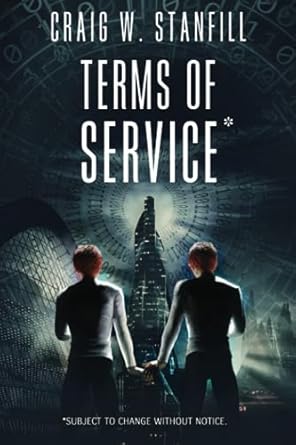
Terms of Service
- Dystopian tech satire with a sharp edge
- Challenging, philosophical and bold
- Ideal for fans of Orwell and Black Mirror
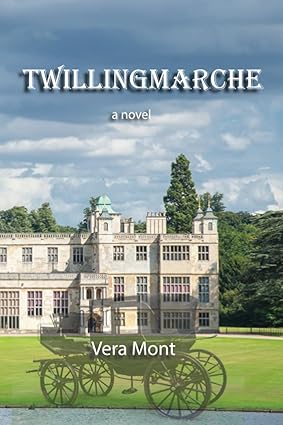
Twillingmarche
- Edwardian-era romance and suspense
- Mystery, aristocracy, and historical charm
- Great for fans of Downton Abbey
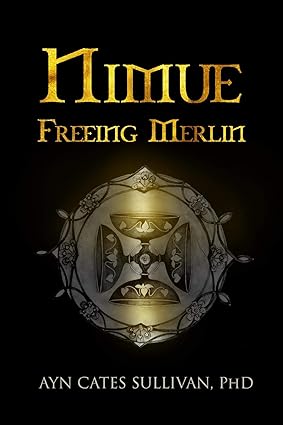
Nimue: Freeing Merlin
- Empowering retelling of Arthurian legend
- Myth, magic, and spiritual awakening
- A beautifully illustrated and poetic journey
Final Thoughts
Reading is a rich, multifaceted experience that transcends boundaries. Whether you're savouring the tangible presence of paper, slipping into a narrated world through audiobooks, or carrying entire libraries in your hand with a Kindle, each format enriches storytelling in its unique way.
Embrace the variety. Let printed books be your bedtime romance, audiobooks accompany your routines, and e‑readers travel with you. Explore genres—from Regency romance to mythic re-imaginings—and let them expand your view of the possible.
After all, your next great adventure lies just a page—or a click—away.
