
How to Raise Chickens for Beginners
🐣 Getting started
Keeping chickens at home is an increasingly popular hobby across the UK, blending self-sufficiency, sustainability, and the simple joy of having animals around the garden. For many, it begins with the appeal of fresh eggs each morning, but chicken-keeping quickly becomes more than that. Hens add life and character to a garden, provide natural pest control, and their scratching helps aerate the soil. It is a pastime that connects us back to older traditions of homesteading, yet fits neatly into modern suburban or rural lifestyles.
If you are new to poultry-keeping, the most important advice is to start small. Three or four hens is a manageable number for a beginner, producing enough eggs for a family without creating overwhelming cleaning or feeding duties. This smaller flock size also makes it easier to spot if one bird is behaving differently and may need attention. Once you gain experience, you can always expand.
Choosing the right breeds is a crucial early step. Hybrids such as ISA Browns, Rhode Rocks, or Warren hens are excellent for beginners, being hardy, docile, and prolific layers. Traditional pure breeds like Sussex, Orpingtons, or Marans are also popular, valued for their personality and appearance as much as their egg yield. Think carefully about whether you want birds for maximum egg production, for their temperament, or for their looks — there’s no wrong answer, only what suits your household best.
Before bringing hens home, check whether your council or local regulations have any restrictions. While most UK areas are chicken-friendly, some urban spots have noise or animal-keeping limits. Also, speak with your neighbours, as goodwill and transparency go a long way in avoiding complaints about clucking or the odd feather blowing into adjoining gardens.
Lastly, prepare yourself for the rhythm of daily care. Chickens need feeding and fresh water every morning, the coop door must be opened at dawn and closed securely at dusk to protect against foxes, and weekly cleaning is essential to prevent odours and pests. These routines are not particularly demanding, but they do mean you cannot simply disappear for a weekend without arranging care. Think of chickens as half-way between pets and livestock: they reward you generously, but they rely on you too. Once you accept this, the hobby becomes endlessly enjoyable and deeply rewarding.
🏠 Housing & bedding
Safe, dry housing is the backbone of successful chicken-keeping. A well-designed coop not only keeps your hens comfortable but also protects them from predators and the worst of the British weather. It is tempting to buy the cheapest wooden coop you find online, but investing in a sturdy design pays dividends in the long run. Thin plywood houses often warp, leak, and harbour mites, whereas a solid timber or recycled plastic coop will last many years with minimal maintenance.
Each coop should provide at least one nest box for every two to three hens, along with perches for roosting at night. Perches should be rounded or gently squared wooden bars, positioned higher than the nest boxes, so hens naturally prefer them for sleeping. This keeps eggs cleaner and prevents birds from trying to sleep in the nest boxes. Adequate ventilation is essential: small air vents or mesh panels high on the walls allow airflow without creating draughts, which is especially important during damp winters.
Many keepers choose coops with attached runs. These secure outdoor enclosures protect against foxes, badgers, and neighbourhood cats, while still giving the birds space to peck and dust-bathe. If your garden is fully fenced and you are happy to supervise, free-ranging is ideal, but most beginners appreciate the peace of mind of a run. Remember that foxes are incredibly resourceful, even in urban areas, so wire mesh should be strong (not flimsy chicken wire) and ideally buried several inches into the ground.
Inside the coop, bedding is a crucial detail. Hemp shavings, chopped straw, or dust-extracted wood shavings are all popular choices. These absorb moisture well, reduce smell, and give hens a soft surface for scratching and nesting. Avoid sawdust or newspaper, which can become damp quickly. A deep bedding layer also makes cleaning easier: each week you can scoop out soiled patches, and once a month do a full refresh.
A removable tray under the perches is a feature worth seeking, as it simplifies cleaning droppings and reduces odour. In colder months, adding a sprinkling of diatomaceous earth to the bedding can help deter mites. Chickens are hardy and need no heating in a British winter, but they do need a coop that is dry, draught-free, and easy to maintain. Think of housing as your biggest long-term investment: if it is robust and easy to clean, you will find chicken-keeping far more enjoyable.
🍽 Feeding & water
Feeding your hens correctly is one of the most important aspects of chicken care. A balanced diet ensures not only healthy, happy birds but also reliable egg production with strong shells and good nutritional quality. In the UK, most small-scale keepers rely on commercially produced “layers pellets.” These contain the correct proportions of protein, carbohydrates, fats, vitamins, and calcium to keep laying hens in prime condition. Pellets are preferable to mixed grain or “mash” for beginners, as they prevent selective feeding — hens cannot just pick out the tasty bits and leave the rest.
A standard medium-sized hen eats around 120–150 grams of feed per day. This may not sound like much, but multiplied across a flock it adds up quickly, so budgeting for feed is wise. Many keepers like to offer a little mixed corn in the late afternoon as a treat, particularly in winter, as it helps keep birds warm overnight. Kitchen scraps can also be offered sparingly, but avoid salty, sugary, or mouldy foods. Legally, feeding meat or catering waste is prohibited for backyard flocks in the UK.
How you present the feed matters too. Scattering it on the ground may look natural, but it attracts rats, pigeons, and wild birds, all of which bring disease. A purpose-built feeder, ideally one that is raised off the ground or has a treadle mechanism, keeps food clean and reduces waste. Cleanliness around feeders is vital — stale, damp feed can harbour moulds harmful to hens.
Water is equally critical, and surprisingly, chickens will often drink more than you expect. A laying hen may consume 200–250 ml of water daily, even more during hot spells. This means waterers should be checked morning and evening, topped up regularly, and scrubbed clean weekly to prevent algae build-up. Place drinkers in the shade during summer to keep water cool, and check carefully in winter to break ice. Simple plastic or galvanised drinkers are inexpensive, but automatic drinker systems connected to a water source are very convenient if you are away for a day or two.
Finally, grit is an often-overlooked element. Chickens lack teeth and use grit in their gizzard to grind food. A small container of mixed poultry grit, including oyster shell, should always be available. The oyster shell provides the calcium necessary for strong egg shells. Together, balanced feed, constant clean water, and grit form the nutritional triangle that keeps a flock healthy and productive year-round.
❤️ Health & welfare
Healthy chickens are lively, curious, and vocal. As their keeper, the best thing you can do for their welfare is to spend a little time observing them each day. This helps you notice problems early: a hen that hangs back from the group, looks fluffed up, or has a pale comb is telling you something is wrong. Quick action often makes the difference between a simple remedy and a serious loss.
Parasites are a common challenge. Red mite infestations in summer can make hens miserable and reduce egg laying. Regularly inspect perches and the underside of coop roofs for tiny red or grey specks. Using mite powder or diatomaceous earth as a preventative measure can save a lot of hassle. Lice, worms, and scaly leg mite are other possibilities. Routine worming every few months with a poultry-approved product helps keep internal parasites under control.
Another essential element of welfare is providing opportunities for natural behaviour. Chickens dust-bathe to clean their feathers and remove excess oils and parasites. Giving them a shallow box filled with dry soil, sand, or even wood ash is simple and highly beneficial. Likewise, time to scratch and forage reduces boredom and stress. Birds kept in cramped, barren runs may begin pecking each other, a habit that can escalate quickly.
Hygiene in the coop underpins health. Weekly removal of droppings, fresh bedding, and regular disinfection prevent bacterial build-up. A well-ventilated but draught-free coop reduces respiratory issues, which can arise from ammonia build-up in damp litter. Always ensure the coop is dry and rain cannot leak inside — wet bedding is a breeding ground for illness.
Keep a small poultry first-aid kit: wound spray, antiseptic powder, disposable gloves, and electrolyte solution are useful basics. It’s also worth having a safe, quiet space where you can isolate a sick bird. Most importantly, find a local vet who is experienced with poultry. Not all practices treat chickens, so it’s better to identify help before an emergency arises.
Finally, welfare includes mental wellbeing. Chickens are social animals that thrive in flocks. Never keep a single hen, as she will become lonely and stressed. A flock of three or more allows natural hierarchy without excessive bullying. With good housing, balanced diet, hygiene, and a little daily care, your hens will reward you with years of companionship and fresh eggs — proof that healthy chickens really are happy chickens.
Recommended gear
Ready to gather your essentials? Below you’ll find trusted gear for starting out — from coops and feeders to bedding and incubators, all available via Amazon UK with reliable delivery and reviews.

Cocoon ECO 1500 Chicken Coop
- Wooden hen house with integrated run
- Rot-proof roof and pull-out tray
- Great for 2–3 hens

Svauoumu Galvanised Pedal Feeder
- 5 kg capacity, rust-resistant steel
- Pedal-operated to deter pests
- Rainproof lid, suitable for small flocks

ChickenGuard PRO Automatic Coop Door
- Timer & light-sensor controls
- Self-locking and weatherproof
- Designed for UK conditions

Portable Chicken Brooder Box
- Spacious and breathable design
- Suitable for chicks, rabbits, hamsters
- Foldable, washable, easy to set up

Digital Egg Incubator (12 Eggs, Auto-Turn)
- Hatches chicken, duck, and quail eggs
- Automatic turning with integrated fan
- Easy LED display and temperature control
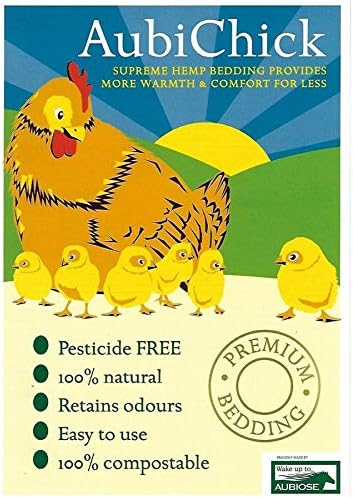
AubiChick Natural Hemp Bedding
- Highly absorbent and pesticide-free
- Perfect for coops, nest boxes, and runs
- Supreme softness and low dust content

Chicken Layers Pellets (20 kg)
- Complete nutrition for laying hens
- With herbs and prebiotics for digestion
- 20 kg bag – ideal for small flocks